Water Heater Popping or Rumbling? Sediment Explained
September 11, 2026
Quick Answer: Popping, rumbling, or cracking sounds during a heating cycle almost always come from sediment sitting on the bottom of the tank, not a failing part. As the burner or lower heating element heats the water trapped beneath that layer, it flashes into steam bubbles that force their way up through the sediment and burst — a reaction plumbers call kettling, the same thing that makes a stovetop kettle rattle right before it whistles. The louder and more frequent the noise, the thicker that sediment layer usually is, and tanks that have gone three or more years without a flush are the ones that tend to announce themselves this way. Left alone, the sediment insulates the tank from the heat source, forces the burner or element to run longer and hotter, and can eventually scorch the glass lining or burn out an element. A flush that clears loose sediment often quiets the tank within a cycle or two; a unit with years of hardened buildup may only go partway back to quiet, and that's a sign to get a plumber's opinion rather than keep flushing it yourself.
You're in the kitchen, or maybe you just walked past the water heater closet, and it starts up like something is boiling on the other side of the wall. A knock, a rattle, a low rumble that builds for a few seconds and then fades. It's not constant — it only happens when the burner kicks on or the shower runs long enough for the elements to cycle — but it's loud enough that you've started to wonder if the thing is about to fail on you.
Here's the good news first: a water heater that pops or rumbles is usually still doing its job. The noise is a byproduct of what's happening inside the tank, not a warning that it's seconds from bursting. But it isn't nothing, either. That sound is sediment, and sediment left to build up year after year is one of the more common reasons a tank dies early instead of running its full lifespan.
What's Actually Making That Sound
A standard tank water heater holds water that sits mostly still between uses, and every gallon that comes in carries dissolved minerals — calcium, magnesium, and in a lot of Western Washington homes, iron. Heat water enough times and those minerals fall out of solution and settle on the bottom of the tank, right where a gas burner sits directly underneath, or right around the lower heating element on an electric unit.
Once that layer builds up past a certain point, something interesting happens during every heating cycle. Water gets trapped between the sediment and the tank wall, and because it's sitting right against the heat source, it heats up faster than the water sitting quietly above the sediment layer. That trapped pocket boils before the rest of the tank even gets close, and the resulting steam bubbles have to force their way up through the sediment crust to escape. Each bubble that breaks through makes a small pop. A lot of them breaking through in quick succession is what you hear as a rumble.
Why It Sounds Worse Some Days Than Others
The noise tends to be loudest right after a big draw of hot water — a long shower, a load of laundry, the dishwasher running — because that's when the tank refills with cold water and the burner or element has to work hardest to catch back up. A quiet morning with no hot water use produces a quiet tank. A busy laundry day with the burner cycling every twenty minutes produces the loudest version of the same sound.
Why Sediment Builds Up Faster in Some Homes Than Others
Not every water heater develops this problem on the same timeline, and the water coming into the house is most of the reason why.
Municipal supplies across Everett, Lynnwood, and Edmonds are treated and generally run on the softer side, so tanks on those systems tend to take longer to accumulate a noisy sediment layer. Homes on private wells scattered through Arlington, Snohomish, Marysville, and the more rural stretches out toward Mount Vernon and Monroe often see the opposite. Well water in this part of the state frequently carries more dissolved iron and mineral content than treated city supplies, which is exactly why so many local water utilities run iron and manganese removal as part of their own treatment process before the water ever reaches a tap. A water heater running on untreated or lightly treated well water can build a noticeable sediment layer in half the time it would take on a municipal line.
Tank temperature setting plays a role, too. A thermostat set higher — up around 140 degrees rather than the more typical 120 — accelerates mineral precipitation, meaning sediment forms faster at higher settings regardless of what's coming in through the pipe. And a tank that's simply been in service a long time without ever being flushed has had years to build up a layer that started as fine grit and has since compacted into something closer to a hardened crust.
TIP: Check the color of the water the next time you flush a hose bib or drain a small amount from the water heater's drain valve. Water that runs faintly orange or rust-tinted before clearing points toward iron content in the supply, which is a strong hint that sediment is accumulating faster than average and the flushing schedule should move up rather than stay on a once-a-year default.
Popping, Rumbling, or Banging — They're Not All the Same Sound
Sediment-driven kettling has a fairly specific character: it's tied to the heating cycle, it builds gradually as the burner or element runs, and it tapers off once the water reaches temperature. Other water heater noises come from different causes entirely, and telling them apart matters because the fix isn't the same.
A sharp bang or thud that happens the instant you shut off a faucet or the washing machine's valve closes isn't sediment at all — that's water hammer, caused by a moving column of water slamming to a stop inside the pipe. It can happen anywhere in the plumbing system, water heater included, and it's addressed with water hammer arrestors near the fixture, not a tank flush.
A high-pitched whine or hum while the tank is filling usually points to a partially closed supply valve restricting flow, not sediment. And ticking or creaking sounds that show up as the tank heats and cools, especially in the minutes right after a hot shower, are often just the metal jacket and pipe fittings expanding and contracting with the temperature change — a normal sound in most tanks, and one that doesn't need any intervention at all.
If the sound in your case builds and fades in step with the burner or element cycling on and off, and it's been getting gradually louder over months rather than showing up overnight, sediment is far and away the most likely explanation.
How Long You Can Let a Noisy Tank Go
A tank that's just started popping isn't in immediate danger, and there's no need to shut off the water heater and call for emergency service over a sound alone. But sediment doesn't resolve itself, and the noise is really just the most noticeable symptom of a slower process working in the background.
Left unaddressed, that layer keeps growing. The burner or element keeps working harder to push heat through it, which shows up as slower recovery between showers, a gradual rise in energy use for the same amount of hot water, and, in gas units especially, continued stress on the glass lining. A tank running this way for years, rather than months, is the kind that tends to develop a leak earlier than its rated lifespan would suggest, simply because the shell has spent years absorbing more heat stress than it was designed for.
WARNING: Don't ignore a tank that's rumbling loudly and also showing signs of high internal pressure — a temperature and pressure relief valve that's dripping, hissing, or has recently discharged. That combination points to a tank running hotter or under more pressure than it should, and it needs a professional evaluation before you do anything else with it, including a flush.
None of that means every noisy tank is headed for an early failure. Plenty of water heaters pop for a year or two, get flushed, and go quiet again with no lasting damage. The difference comes down to how long the sediment sat there and how compacted it got before someone addressed it.
Flushing the Tank: What It Involves and When to Call a Pro
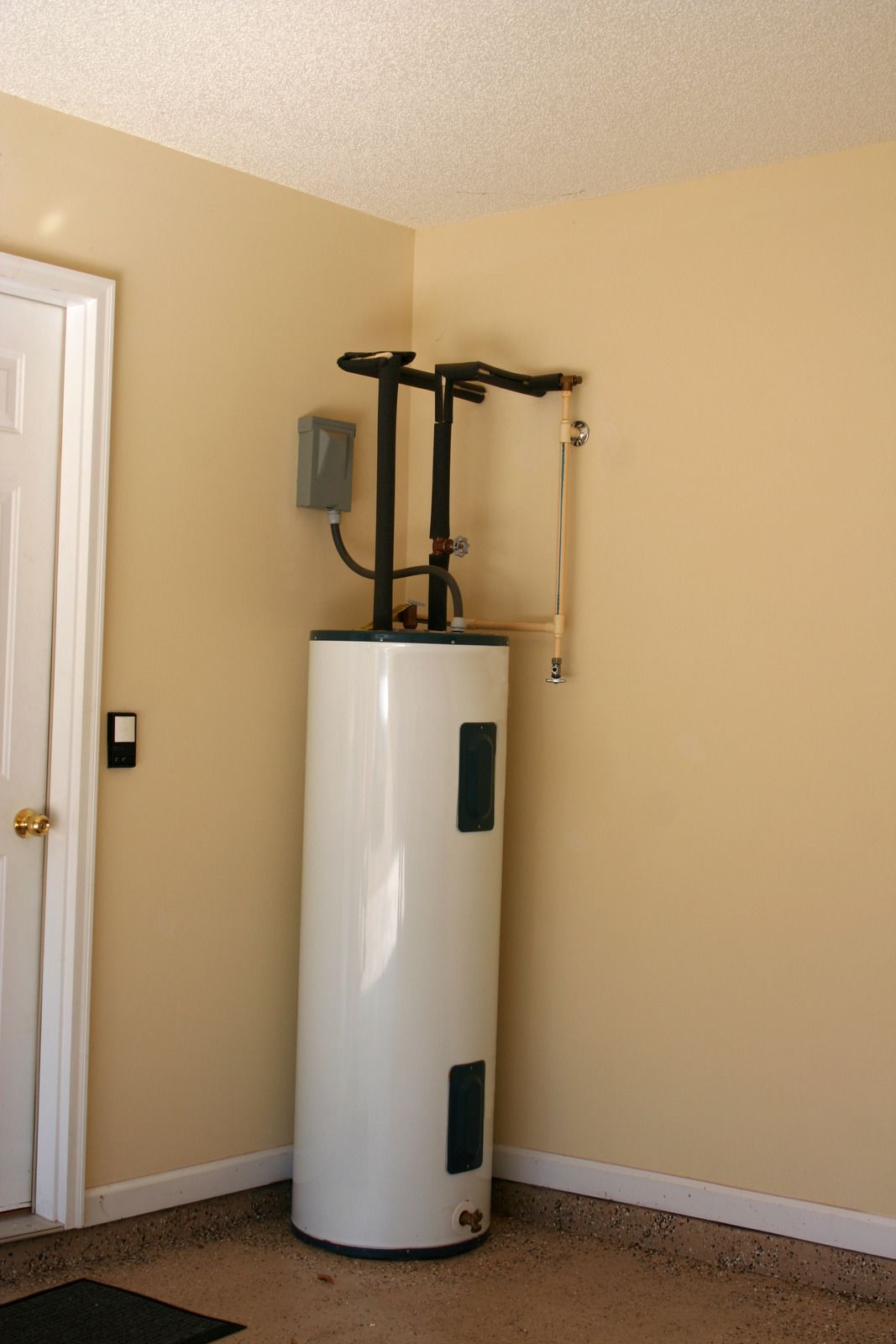
A straightforward flush removes loose sediment and, in a lot of cases, brings a noisy tank most of the way back to quiet. The general process: shut off power or gas to the unit and close the cold water inlet, connect a hose to the drain valve near the bottom of the tank and route it somewhere the hot, sediment-laden water can safely go, open the pressure relief valve to let air into the tank, then open the drain valve and let it run until it clears. Close everything back up, refill the tank with the cold supply open and a hot tap open elsewhere in the house to purge air from the lines, then restore power or gas once water is flowing normally again.
That's a manageable task for a lot of homeowners on a tank that's been flushed regularly and doesn't have years of buildup working against it. It gets more complicated on an older unit. A drain valve that's corroded or won't open cleanly, sediment so compacted it won't clear with a simple flush, or a tank that's eight to twelve years old and has never been serviced are all situations where forcing a DIY flush risks doing more harm than good — a stuck valve that gets forced open can start leaking on its own, and hardened sediment sometimes needs more than gravity and a garden hose to break loose.
There's also a difference between what a homeowner flush accomplishes and what a professional visit adds on top of it. A technician flushing the tank typically checks the anode rod's condition at the same time, tests the pressure relief valve, confirms the drain valve reseats properly afterward, and can tell from the sediment itself — its color, texture, and volume — roughly how much life is left in the unit before flushing becomes more of a stopgap than a fix.
Frequently Asked Questions
Is it dangerous to keep using a water heater that's popping or rumbling?
Not immediately. The noise isn't a safety hazard, and a tank can run this way for a while. It signals sediment stressing the tank, so a flush is worth scheduling.
Will flushing the tank completely stop the noise?
Often, yes, especially if sediment hasn't hardened yet. Regular flushes tend to quiet a tank within a cycle or two. Long-neglected tanks with compacted sediment may only quiet down partially.
How often should I flush my water heater to prevent this?
Once a year works for most households. Well water or hard, iron-heavy supply often needs flushing every six months. A rumbling tank usually means the current schedule isn't keeping pace.
Can sediment buildup cause my water heater to leak?
Indirectly, yes. Sediment doesn't puncture a tank directly, but the heat stress it creates over years can weaken the glass lining and steel shell, making an early leak more likely.
Should I try flushing an older water heater myself, or call a plumber?
A regularly flushed tank within its service life is usually fine to flush yourself. An older, unserviced unit or a corroded drain valve is generally better left to a professional.
Why does my tankless water heater make noise, but not the same popping sound?
Tankless units don't store standing water, so they don't develop the same sediment or kettling effect. Noise usually points to mineral scale in the heat exchanger, which needs descaling instead.
Turning That Rumble Into a Quiet Tank Again
A tank that pops or rumbles isn't broken, it's simply overdue for attention. Sediment builds quietly for years before the sound gives it away, and by the time a kitchen conversation gets interrupted by knocking from the water heater closet, that layer has usually settled in for good. The fix rarely requires anything dramatic. A flush clears the loose sediment, restores full efficiency, and in most cases brings the tank back to a quieter, steadier hum within a cycle or two.
None of this calls for guesswork, though knowing when a simple flush ends the conversation and when it's time to bring in someone with more experience matters. Glacier Peak Plumbing
has spent 30
years working through exactly this kind of sediment, corrosion, and tank wear across homes in Arlington, WA, and the difference between a tank with years left and one nearing the end usually comes down to what's sitting on the bottom. A little attention now keeps that rumble from becoming the whole story.