How Regular Drain Cleaning Improves Home Hygiene and Prevents Odors?
May 31, 2026
Every home depends on a reliable plumbing system to maintain cleanliness, comfort, and healthy living conditions. While homeowners often focus on visible cleaning tasks such as wiping surfaces, vacuuming floors, and sanitizing kitchens, drains are frequently overlooked until a problem appears. Over time, grease, soap residue, food particles, hair, and debris collect inside drain lines, creating buildup that restricts water flow and encourages bacterial growth. These hidden plumbing issues can quickly lead to unpleasant odors, unsanitary conditions, slow drainage, and even water damage. Regular drain cleaning plays a major role in protecting indoor hygiene by removing contaminants before they create larger plumbing concerns that affect the home environment.
Modern plumbing maintenance goes beyond simply clearing clogs after they happen. Preventative drain cleaning helps reduce harmful bacteria, minimizes foul smells, and supports healthier indoor spaces for families. Clean drains also improve plumbing efficiency, reduce emergency repair risks, and extend the lifespan of household pipes. In kitchens, bathrooms, laundry rooms, and basements, drain systems constantly carry waste and moisture that can become breeding grounds for mold and bacteria when neglected. Understanding how professional drain cleaning contributes to home hygiene allows homeowners to make informed decisions about routine plumbing care while preventing costly and disruptive issues before they escalate.
Understanding How Dirty Drains Affect Home Hygiene
Hidden Contaminants Inside Household Drains
Many homeowners assume drains only transport water and harmless waste, but plumbing lines often contain organic materials that create unhealthy conditions inside the home. Grease, food scraps, soap scum, toothpaste, oils, hair, and mineral deposits gradually accumulate along pipe walls. As these materials decompose, bacteria multiply and produce strong odors that spread throughout kitchens and bathrooms.
Dirty drains may also attract insects such as drain flies, which thrive in damp environments filled with organic debris. These pests often appear around sinks, showers, and floor drains where buildup remains untreated for long periods. Without regular cleaning, contaminated drain lines can contribute to unhealthy indoor conditions that affect comfort and sanitation.
Moisture And Bacterial Growth Risks
Excess moisture trapped inside clogged or partially blocked drains creates ideal conditions for mold and bacterial growth. Standing water caused by poor drainage allows harmful microorganisms to develop beneath sinks, inside pipes, and around plumbing fixtures. In bathrooms and kitchens, these conditions may contribute to unpleasant smells and unsanitary surfaces.
Bacteria living inside drains can spread through splashing water, airborne particles, or contact with contaminated fixtures. Families with children, elderly individuals, or compromised immune systems may face greater concerns when plumbing systems are poorly maintained. Routine drain cleaning reduces these risks by removing buildup before moisture and bacteria create larger hygiene problems.
Drain Hygiene And Indoor Air Quality
Poor drain maintenance can also affect indoor air quality. Sewer gases produced by decomposing organic matter may travel back through drains when blockages interfere with proper ventilation. These odors often create stale, unpleasant indoor environments that are difficult to eliminate with ordinary cleaning products.
Regular drain cleaning removes odor-causing buildup and supports proper airflow within plumbing systems. Cleaner drains help maintain fresher indoor air while reducing the likelihood of persistent smells spreading throughout the home.
How Regular Drain Cleaning Prevents Unpleasant Odors
Organic Waste Creates Persistent Smells
One of the most common signs of dirty drains is foul odor coming from sinks, tubs, or showers. Food waste trapped in kitchen drains decomposes over time and produces sour or rotten smells. In bathrooms, hair and soap residue combine with moisture to create unpleasant odors that linger around fixtures.
Many homeowners attempt to mask these smells using air fresheners or chemical cleaners, but temporary solutions rarely address the underlying problem. Unless buildup is physically removed, bacteria continue growing inside the pipes and odors return quickly.
Preventing Sewer Gas Backups
Blocked or poorly maintained drain systems can interfere with plumbing ventilation and allow sewer gases to escape into living spaces. Sewer odors may smell like sulfur or rotten eggs and can become increasingly noticeable when drain lines are partially clogged.
Routine drain cleaning helps maintain proper drainage and airflow, reducing pressure inside plumbing systems. Keeping pipes clean minimizes the risk of sewer gas entering kitchens, bathrooms, and utility areas.
Real-World Household Scenarios
Consider a busy family kitchen where grease, coffee grounds, and food scraps enter the sink daily. Over several months, thick residue develops inside the drainpipe, slowing water flow and creating a strong odor near the sink. Homeowners may notice recurring smells despite cleaning countertops and garbage disposals regularly.
In another example, a bathroom shower drain collects hair and soap scum over time. The clog traps water and creates damp conditions that encourage bacterial growth. The bathroom begins developing a musty smell that spreads into nearby rooms.
Regular drain cleaning addresses these issues before odors become severe, helping homeowners maintain cleaner and fresher indoor spaces.
The Long-Term Benefits Of Preventative Drain Maintenance
Reducing Emergency Plumbing Problems
Extending Pipe Lifespan
Drain buildup does more than slow water flow. Grease, mineral deposits, and corrosion can gradually weaken plumbing pipes from the inside. Older homes may face greater risks when aging pipes become restricted by years of accumulated debris.
Regular cleaning removes harmful buildup and helps preserve pipe integrity. Maintaining cleaner plumbing lines reduces stress on the system and supports longer-lasting performance.
Improving Drain Efficiency
Supporting Property Value
Well-maintained plumbing systems contribute to overall property value and buyer confidence. Potential buyers may view recurring drain odors, slow sinks, or visible plumbing issues as signs of neglected maintenance. Preventative drain care demonstrates responsible homeownership and reduces concerns about future plumbing expenses.
Why Professional Drain Cleaning Delivers Better Results
Limitations Of Store-Bought Drain Cleaners
Chemical drain cleaners are commonly marketed as quick solutions for clogs and odors, but these products often create additional plumbing concerns. Harsh chemicals may corrode pipes, damage seals, and weaken older plumbing materials over time.
Many chemical products also fail to remove the full blockage, leaving residue behind that quickly traps more debris. Repeated chemical use may temporarily improve drainage while allowing the underlying problem to worsen.
Professional Equipment Removes Deep Buildup
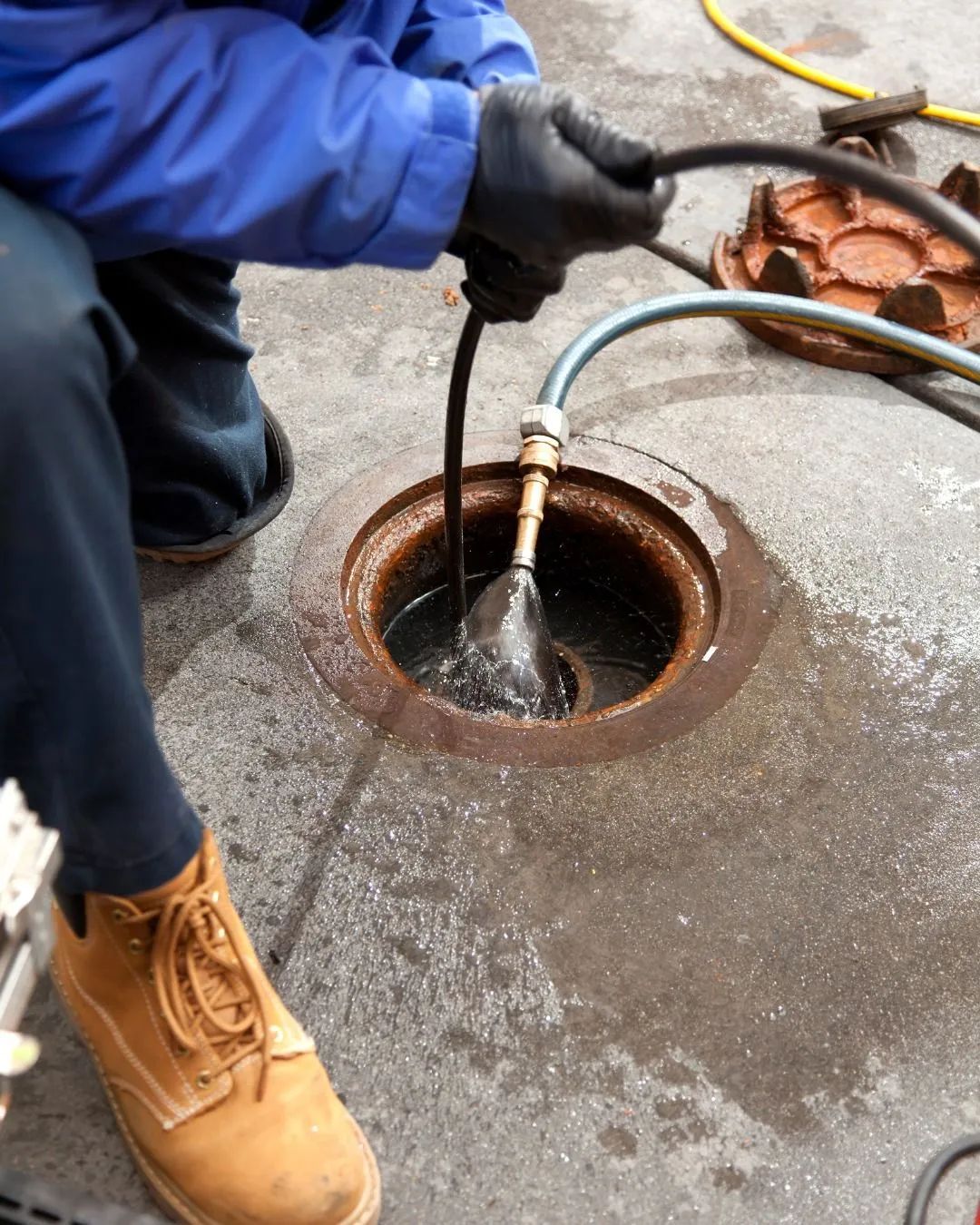
Professional drain cleaning services use advanced equipment designed to remove stubborn blockages safely and thoroughly. Hydro jetting systems use high-pressure water to clear grease, sludge, and debris from pipe walls without damaging plumbing components.
Drain inspection cameras also help plumbers locate hidden problems such as tree root intrusion, cracked pipes, or severe buildup that homeowners cannot see on their own.
Preventing Recurring Problems
Professional cleaning addresses the root cause of drain issues rather than masking symptoms. By fully removing buildup, plumbers help reduce recurring clogs, foul odors, and slow drainage problems that continue returning after temporary fixes.
Routine professional maintenance also provides homeowners with valuable insight into the condition of their plumbing systems, helping prevent unexpected repair costs.
Health And Safety Advantages
Professional plumbers follow safe cleaning methods that protect both household plumbing and indoor environments. Removing contaminated buildup reduces bacterial growth, standing water, and odor-producing waste that may affect home hygiene.
Clean plumbing systems support healthier kitchens, bathrooms, and laundry areas where moisture and waste frequently accumulate.
Dependable Plumbing Professionals Maintaining Healthy Residential Drain Systems
Regular drain cleaning remains one of the most important yet overlooked parts of maintaining a healthy home environment. Clean drains help prevent bacteria buildup, reduce unpleasant odors, improve indoor air quality, and support efficient plumbing performance throughout the property. By removing grease, soap residue, food waste, hair, and other debris before severe clogs develop, homeowners can protect both their plumbing systems and their living spaces from avoidable damage and sanitation concerns.
Preventative drain maintenance also reduces the likelihood of emergency plumbing repairs, water damage, and recurring drainage issues that disrupt daily life. Whether in kitchens, bathrooms, or laundry areas, properly maintained drains contribute to cleaner, safer, and more comfortable homes. Homeowners who invest in routine drain cleaning often experience fewer plumbing complications and better long-term system performance.
For homeowners seeking dependable plumbing care, Glacier Peak Plumbing
continues to provide trusted plumbing services backed by 30
years of experience serving Arlington, Washington and surrounding communities. As an experienced plumber focused on long-term plumbing reliability, we understand how drain maintenance directly impacts household hygiene, indoor comfort, and plumbing efficiency. Our approach emphasizes thorough inspections, preventative care, and practical plumbing solutions designed to help homeowners avoid disruptive drainage problems before they escalate into costly repairs.