How Water Heater Efficiency Impacts Your Energy Bills — What Every Homeowner Should Know
March 20, 2026
Water heating accounts for a significant portion of household energy consumption, often ranking just behind heating, cooling, and refrigeration in overall utility use. Homeowners frequently overlook the efficiency of their water heaters, assuming that any functioning unit is sufficient. However, an inefficient water heater can dramatically increase energy bills, reduce system lifespan, and contribute to unnecessary environmental impact. Understanding the role of water heater efficiency is essential for homeowners looking to optimize their energy usage and reduce long-term costs. With energy prices continuing to rise and sustainability becoming a key concern, evaluating your water heating system has never been more relevant. Small inefficiencies, when compounded over months or years, can translate into substantial financial and environmental consequences.
The choice of water heater type, its maintenance schedule, and operational practices all influence energy consumption. From conventional tank models to modern tankless systems, each option presents unique benefits and challenges. Homeowners who proactively address water heater efficiency not only save money but also enhance home comfort, improve reliability, and reduce their carbon footprint. Beyond simple upgrades, informed
water heater management can extend the life of the system and minimize unexpected repair costs. This blog will explore the critical ways water heater efficiency affects energy bills, offering practical advice, insights, and expert reasoning to guide informed decisions. By the end, readers will have a clear understanding of why efficient water heating matters and how to make smart choices that pay off in both savings and system performance.
1. Understanding Water Heater Efficiency
What Is Water Heater Efficiency?
Water heater efficiency refers to the ability of a water heating system to convert energy—whether electricity, gas, or alternative fuels—into usable hot water while minimizing waste. The efficiency rating of a water heater is often expressed as the Energy Factor (EF), a measure of energy output relative to energy input. A higher EF indicates a more efficient unit, meaning more hot water is delivered per unit of energy consumed. For homeowners, understanding EF ratings can provide insight into potential cost savings and energy usage patterns.
Types of Water Heaters and Their Efficiency
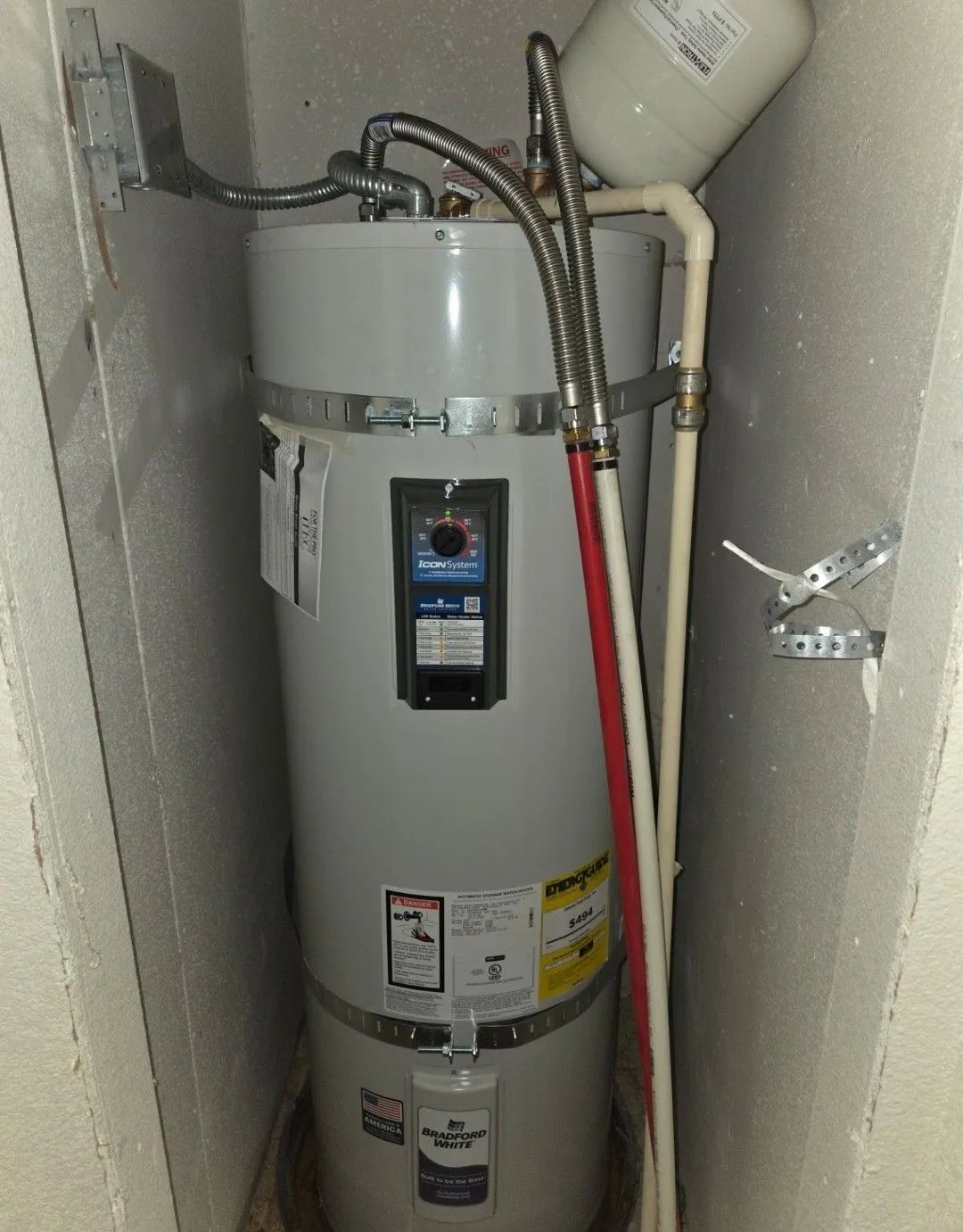
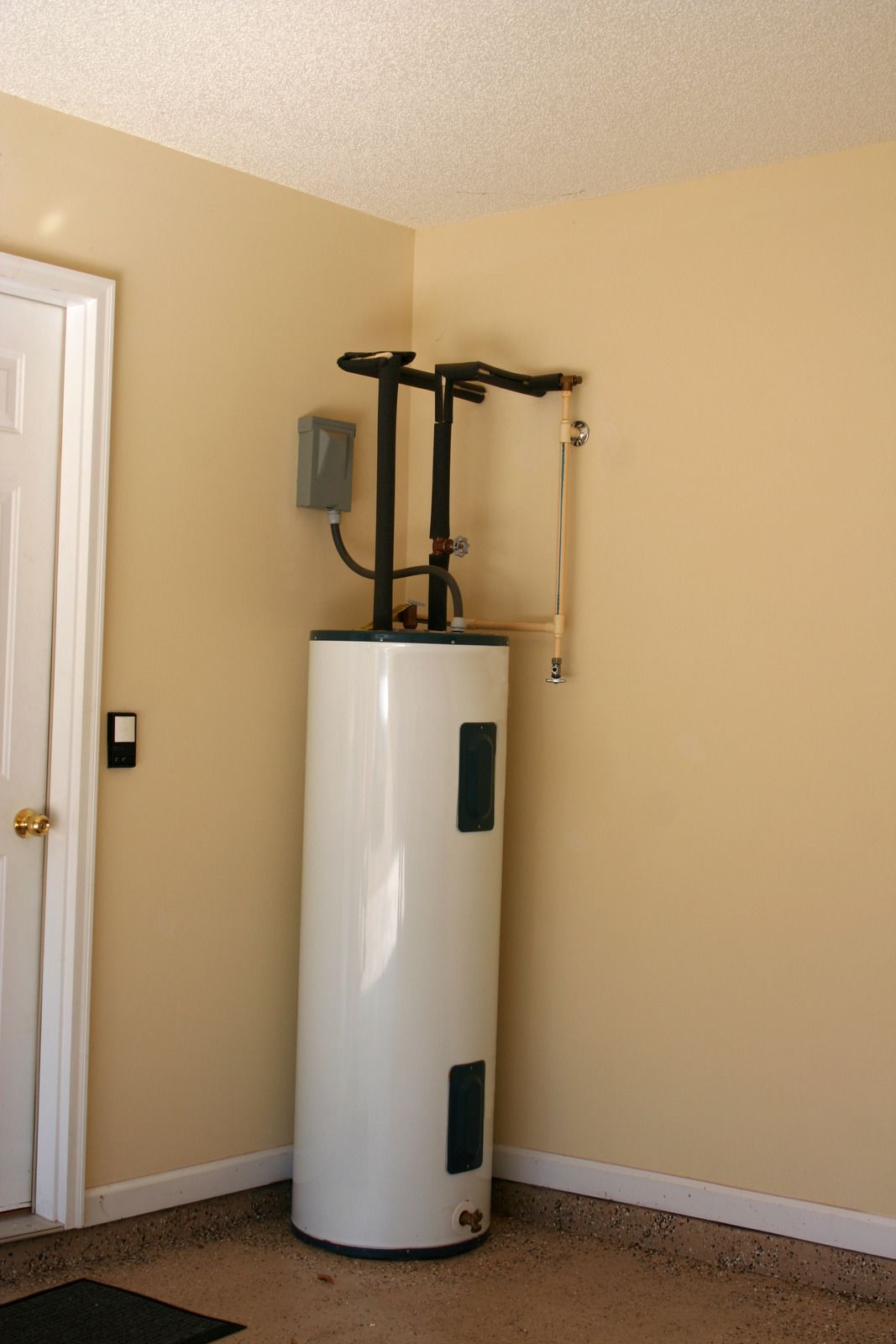
Tank Water Heaters: Conventional storage tank heaters maintain a reservoir of hot water, consuming energy continuously to keep the water at a set temperature. While these units are reliable and easy to install, their standby heat loss can reduce efficiency, especially in older models with outdated insulation.
Tankless Water Heaters: Tankless or on-demand units heat water only when needed, eliminating standby losses. Although their upfront cost is higher, they often deliver substantial energy savings over time, particularly for homes with lower or intermittent hot water demands.
Heat Pump Water Heaters (HPWH): HPWHs use electricity to move heat from the air into water rather than generating heat directly. This method can be two to three times more efficient than conventional electric heaters, making them ideal for energy-conscious homeowners in moderate climates.
Solar Water Heaters:
Solar water heating systems leverage solar energy to preheat or fully heat water. While the initial investment is significant, they offer long-term energy savings and reduce reliance on conventional fuels.
Real-World Impact
For a typical household, switching from an older 0.55 EF tank heater to a 0.90 EF tankless system could reduce annual water heating energy costs by 30–50%. Over a decade, this translates to substantial savings, justifying investment in high-efficiency technologies.
2. Energy Bills and Standby Heat Loss
How Standby Heat Loss Affects Costs
Standby heat loss occurs when hot water stored in a tank loses heat to the surrounding environment. Older water heaters, especially those over 10–15 years, can lose as much as 20–25% of stored heat daily. This constant energy expenditure forces the heater to run more frequently, directly impacting energy bills. The thicker the tank insulation, the lower the heat loss. Homeowners can measure or estimate heat loss by comparing water temperature, insulation type, and energy usage patterns.
Minimizing Standby Loss
- Insulating Your Tank: Modern water heaters often come with adequate insulation, but adding a tank jacket or blanket can further reduce heat loss.
- Lowering Thermostat Settings: Setting the water heater temperature to 120°F (49°C) can significantly cut standby losses while maintaining safe and comfortable water levels.
- Strategic Hot Water Use: Scheduling high-demand activities together, like laundry and dishwashing, reduces the need for frequent reheating, indirectly decreasing energy consumption.
Example Scenario
Consider a household using an older 50-gallon electric tank heater. Without insulation, the tank may consume an extra 300–400 kWh annually due to heat loss alone, adding $40–$60 to monthly bills depending on electricity rates. Addressing standby loss is one of the simplest ways to improve efficiency without replacing the system.
3. Maintenance Practices That Improve Efficiency
Recommended Maintenance Steps
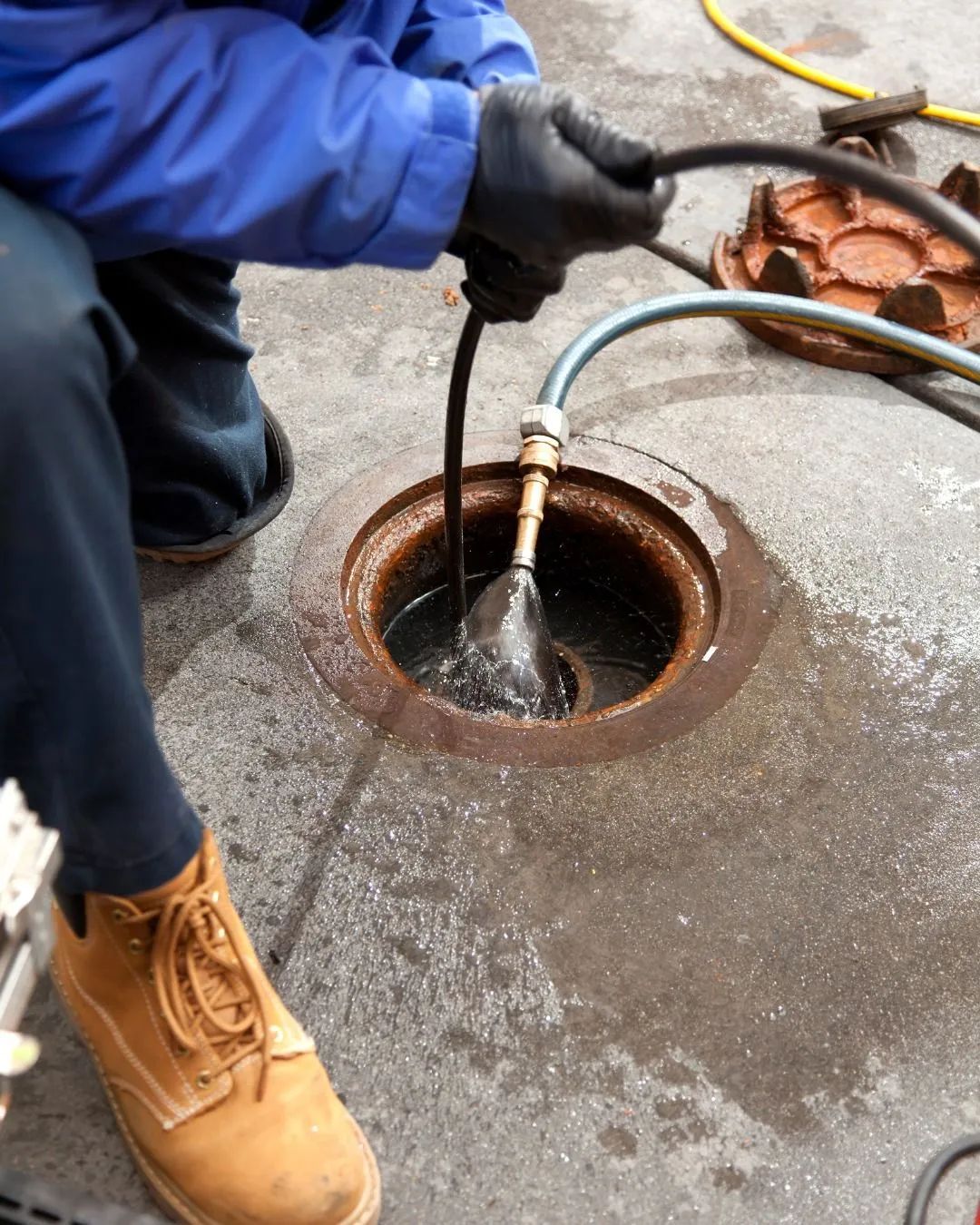
- Flushing the Tank: Draining and flushing the tank once or twice a year removes sediment, restores heating efficiency, and prolongs tank life.
- Inspecting the Anode Rod: This component prevents internal corrosion. Replacing a worn anode rod every 3–5 years can prevent premature tank failure and maintain heat transfer efficiency.
- Checking Temperature Settings: Periodically verify thermostat settings to ensure the system operates efficiently without overheating.
- Professional Inspections: A licensed plumber can detect hidden issues such as leaks, faulty valves, or inefficient burners before they impact energy consumption.
Expert Insight
A study of residential water heaters found that systems with neglected maintenance used up to 15–20% more energy annually than well-maintained units. Maintenance not only enhances efficiency but also delays costly replacements and protects the investment in your home.
4. Choosing the Right Water Heater for Your Home
Matching Capacity to Demand
Selecting a water heater that aligns with household demand is crucial. Oversized units waste energy maintaining unnecessary hot water, while undersized units trigger frequent reheating cycles, reducing efficiency. Homeowners should assess peak water usage, including showers, laundry, and dishwasher cycles, to determine optimal tank size or flow rate for tankless models.
Fuel Type Considerations
- Electric: Convenient and easy to install, electric heaters may have higher operating costs in regions with elevated electricity rates.
- Gas: Natural gas or propane heaters often heat water faster and at lower costs but require proper ventilation and safety measures.
- Hybrid/Heat Pump: Combining heat pump technology with electric systems provides superior energy efficiency, particularly in moderate climates.
Location Matters
Water heater placement affects efficiency. Installing the system close to points of high water demand reduces heat loss through pipe runs. Insulating pipes further enhances efficiency by maintaining water temperature during transit.
Scenario Example
A four-person household with high hot water usage may benefit from a 50–60 gallon high-efficiency tank or a dual-point tankless system. Conversely, a single resident may realize greater savings with a smaller tankless unit, reducing both energy consumption and water waste.
5. Advanced Technologies and Smart Controls
Smart Water Heaters
Modern water heaters often incorporate digital controls, Wi-Fi connectivity, and energy management features. These systems allow homeowners to schedule heating cycles, monitor energy use, and receive alerts about inefficiencies or potential issues.
Benefits of Smart Features
- Energy Savings: Adjusting heating schedules during low-demand periods prevents unnecessary energy consumption.
- Remote Monitoring: Homeowners can control water temperature while away, ensuring energy is not wasted on unneeded hot water.
- Predictive Maintenance: Some smart systems alert users to sediment buildup, temperature inconsistencies, or impending component failures, enabling proactive efficiency management.
Heat Pump Integration
Hybrid water heaters, combining heat pump technology with smart controls, maximize energy efficiency. These systems use ambient air to preheat water, reducing reliance on electricity or gas. In moderate climates, energy factor ratings of 2.0 or higher are common, translating to up to 60% lower water heating costs compared to standard electric units.
Example
A household installing a hybrid heat pump water heater may reduce annual energy costs by $200–$400, depending on usage and local utility rates. Over a decade, such savings can offset the initial higher investment while reducing environmental impact.
Trusted Professionals for Efficient Water Heater Performance
Water heater efficiency is more than a technical specification—it directly impacts energy consumption, monthly utility costs, and home comfort. Understanding the types of water heaters, their operational characteristics, and maintenance requirements allows homeowners to make informed decisions that maximize both efficiency and savings. From mitigating standby heat loss to selecting the right size and fuel type, every choice contributes to long-term performance and energy conservation. Modern technologies, such as hybrid heat pump systems and smart controls, provide additional opportunities for savings while promoting environmental responsibility. Homeowners who proactively monitor and maintain their water heaters experience fewer disruptions, lower costs, and a longer system lifespan.
For over 30
years, Glacier Peak Plumbing
in Arlington, Washington, has helped homeowners optimize their water heating systems for efficiency and cost savings. Our experienced team provides expert installation, maintenance, and replacement services tailored to each home’s unique needs. By combining trusted craftsmanship with modern technologies, we ensure every water heater performs at its peak, reducing energy bills and enhancing comfort. Homeowners can rely on us for personalized guidance, transparent pricing, and professional service that delivers measurable results and long-term value.