Traditional vs. Tankless Water Heaters: Which Is Best for Your Home?
February 27, 2026
Selecting the right water heater for your home is a decision that affects comfort, energy efficiency, and long-term household costs. Homeowners often face the dilemma of choosing between traditional tank water heaters and modern tankless systems. Both options offer distinct advantages, but understanding how they function and align with your household needs is crucial. With energy efficiency standards becoming more stringent and homeowners seeking smarter, cost-effective solutions, this decision has never been more relevant.
Traditional water heaters, with their tried-and-true storage tanks, have served households reliably for decades. Tankless water heaters, however, represent a newer approach, offering on-demand hot water with compact designs and potential energy savings. Each system comes with unique operational considerations, installation requirements, and maintenance demands. Evaluating these factors thoroughly ensures you make a choice that optimizes your home’s hot water supply, utility bills, and long-term performance. This blog explores the key differences, benefits, challenges, and best practices associated with traditional and tankless water heaters, equipping homeowners with actionable insights to make an informed decision tailored to their lifestyle and household size.
Understanding Traditional Water Heaters
How Traditional Water Heaters Work
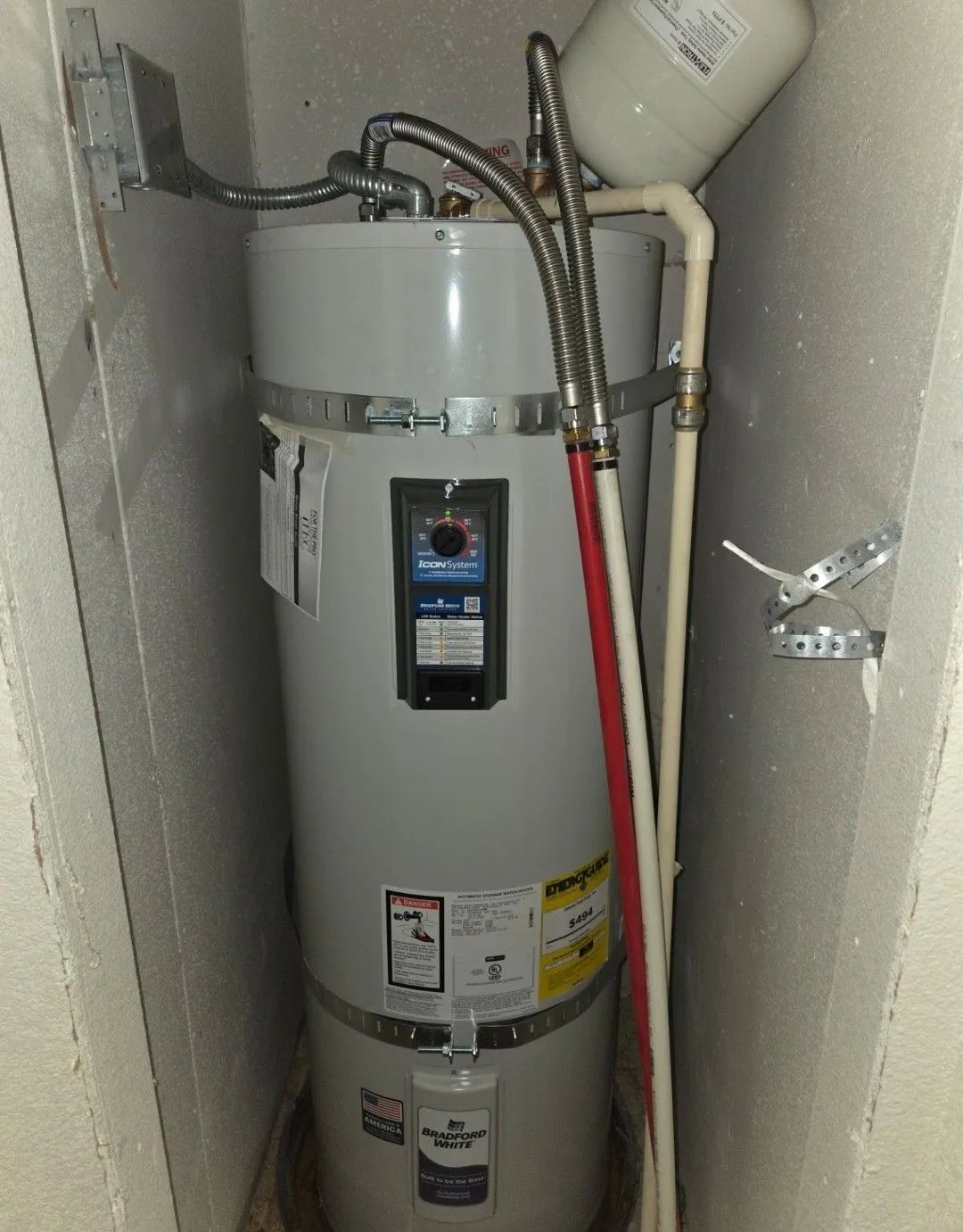
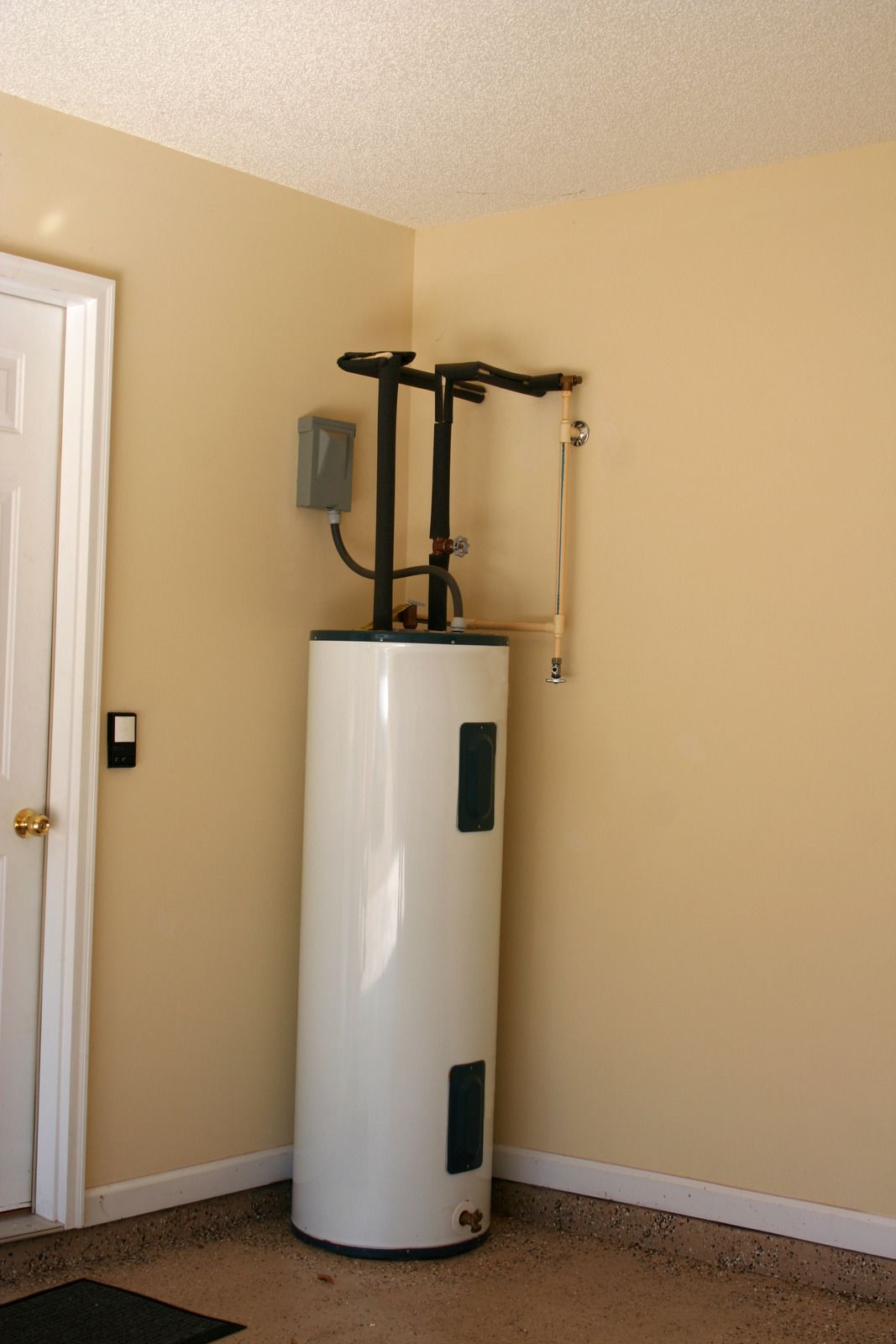
Traditional water heaters, commonly referred to as tank water heaters, store a set volume of hot water in an insulated tank. When the water is drawn for showers, dishwashing, or laundry, cold water enters the tank, where it is heated and maintained at a consistent temperature. These systems typically use gas or electricity as the primary energy source. The tank’s capacity ranges from 20 to 80 gallons, allowing households to plan their water usage based on demand.
Advantages of Traditional Water Heaters
- Predictable Performance: The stored hot water ensures that multiple fixtures can be used simultaneously without sudden drops in temperature.
- Lower Initial Cost: Traditional units generally have a lower upfront price compared to tankless systems, making them accessible for budget-conscious homeowners.
- Simple Installation: Most homes are already equipped to accommodate tank water heaters, reducing installation complexity and labor costs.
Limitations and Considerations
Despite their benefits, tank water heaters have notable drawbacks. They consume energy continuously to maintain water temperature, resulting in “standby heat loss” and higher utility bills. Their large size can limit placement options, and once the tank is depleted, households experience a temporary shortage of hot water. Additionally, tank water heaters typically have a lifespan of 10–15 years, which may require more frequent replacements over time.
Real-World Scenario
A family of four using a 50-gallon tank may find that morning showers overlap without issues. However, hosting guests or running multiple appliances simultaneously can deplete the tank quickly, highlighting the importance of sizing the system correctly. Regular maintenance, such as flushing sediment buildup, can extend the heater’s life and maintain efficiency.
Exploring Tankless Water Heaters
How Tankless Water Heaters Work
Tankless water heaters, also known as on-demand systems, heat water only when needed. Instead of storing hot water, cold water passes through a heat exchanger and is instantly warmed as it travels to faucets or appliances. These systems can be powered by electricity or natural gas, offering flexibility depending on home infrastructure.
Advantages of Tankless Water Heaters
- Energy Efficiency: By heating water only when in use, tankless systems eliminate standby heat loss, often reducing energy consumption by 20–30%.
- Endless Hot Water: As long as the system is sized correctly, it can supply a continuous flow of hot water, making it ideal for households with fluctuating or high-demand usage.
- Space-Saving Design: Compact units can be mounted on walls, freeing up floor space and allowing installation in tight areas like closets or utility rooms.
Limitations and Considerations
Tankless systems require higher upfront investment and may necessitate upgrades to electrical panels or gas lines. Their performance can be affected if multiple fixtures demand hot water simultaneously, particularly in larger homes. Maintenance is crucial, as mineral buildup in the heat exchanger can reduce efficiency, especially in areas with hard water. Proper sizing and professional installation are essential to avoid underperforming units.
Real-World Scenario
A household with staggered water usage can benefit significantly from a tankless system, enjoying uninterrupted showers while running the dishwasher. Conversely, a family running multiple high-demand appliances simultaneously may need multiple units or a high-capacity model to prevent drops in water temperature.
Energy Efficiency and Cost Comparison
Lifespan and Maintenance Costs
Traditional tanks typically last 10–15 years, whereas tankless units can operate effectively for 20 years or more with proper professional maintenance. While tankless water heaters have higher initial costs, their extended lifespan and energy efficiency often result in lower long-term ownership costs and improved overall reliability. Sediment buildup in tank water heaters may require regular flushing, whereas tankless systems need periodic descaling to prevent mineral accumulation and maintain optimal performance efficiency.
Cost-Benefit Analysis Example
A household in Arlington, Washington, using a 50-gallon tank water heater might spend approximately $450 annually on energy consumption. Switching to a tankless system could reduce energy costs by 20–30%, saving roughly $90–$135 each year on utility bills. Over a 20-year period, these cumulative savings can offset the higher initial investment while providing modern performance advantages and improved home energy efficiency.
Environmental Impact
Reducing energy consumption through more efficient systems translates into a smaller overall carbon footprint for any household. Tankless systems, by eliminating standby heat loss entirely, contribute to lower greenhouse gas emissions, aligning perfectly with growing trends toward sustainable home solutions and environmentally conscious residential practices.
Installation and Space Considerations
Traditional Water Heater Installation
Installing a traditional water heater is straightforward in most homes, as they are compatible with standard plumbing configurations and venting options. Tanks require sufficient floor space, proper drainage, and adequate venting for gas models. Installation costs are generally lower, making them an attractive option for homeowners on a limited budget who need reliable hot water quickly.
Tankless Water Heater Installation
Tankless systems are more versatile in placement due to their compact size but may require additional modifications to existing gas lines or upgraded electrical systems. Professional installation ensures that the unit is properly sized to meet peak household demand, preventing performance issues and ensuring maximum efficiency and safety.
Real-World Consideration
Homes with limited utility space may find tankless units ideal for closets, compact utility rooms, or even small garages. Conversely, existing homes with large basements can accommodate traditional tank water heaters without significant spatial challenges, offering a cost-effective solution with minimal remodeling and straightforward installation considerations.
Choosing the Right System for Your Home
Assessing Household Size and Water Usage
Selecting the right water heater depends on household size, lifestyle habits, and daily hot water consumption patterns. Traditional tank systems work well for families with predictable routines and moderate usage, while tankless units excel in homes with fluctuating or high-demand schedules, providing continuous hot water without depletion or interruption.
Climate and Local Water Conditions
Regions with hard water can impact tankless systems more significantly, requiring additional maintenance such as descaling or installing water softeners. Traditional tanks are generally more forgiving but still benefit from routine flushing to prevent sediment buildup and maintain efficiency over the years, especially in areas with high mineral content.
Budget and Long-Term Planning
Homeowners must weigh upfront costs against potential operational savings over time. Traditional tanks are budget-friendly initially, while tankless systems offer long-term energy efficiency, durability, and reduced utility expenses. Consider potential installation upgrades, maintenance costs, and anticipated household growth when evaluating the overall value of each system.
Expert Recommendations
Professionals often advise sizing systems carefully based on peak water usage, planning for future household changes, and prioritizing energy efficiency for long-term savings. Consulting a licensed plumber ensures that the chosen system aligns with existing plumbing infrastructure, energy sources, and family needs, avoiding costly mistakes and ensuring optimal performance for many years.
Professional Guidance From Arlington’s Water Heater Experts
Selecting between traditional and tankless water heaters requires careful consideration of household size, water usage patterns, budget, and energy efficiency goals. Both systems offer distinct advantages: traditional tanks provide reliability and lower initial costs, while tankless units deliver continuous hot water, reduced energy consumption, and modern compact designs. Evaluating operational costs, installation requirements, and long-term maintenance ensures a decision that supports comfort, efficiency, and sustainability.
For homeowners in Arlington, Washington, Glacier Peak Plumbing brings 30
years of trusted expertise to guide water heater selection, installation, and maintenance. Our team prioritizes professional, reliable solutions tailored to each home, ensuring optimal performance and long-term satisfaction. Whether upgrading to a high-efficiency tankless system or maintaining a traditional tank unit, Glacier Peak Plumbing delivers personalized service, precise installation, and expert advice. By choosing our experienced plumbers, you gain peace of mind knowing your home’s hot water needs are met with efficiency, safety, and unmatched professionalism. We combine decades of experience with a commitment to modern plumbing standards, making us the go-to authority for every water heating solution.